Quick Answer
The best real estate investment management software depends on the job you need done. Choose MRI Software or Yardi for enterprise fund accounting, investor portal platforms for capital raising, and Dealpath or Acquirepad for deal pipelines. If packaged tools do not fit or monthly fees keep adding up, DevSouq Technologies builds cost efficient custom real estate investment management software with no monthly fee, and offers a free scope review to show you what to build first.
Key Takeaways
- Choose by workflow, not feature count. Pick the job that costs you the most time today.
- No single tool does it all. Software splits into portfolio tracking, deal analysis, property operations, and fund management.
- Match the tool to your role. Syndicators need investor portals, acquisition teams need pipeline tools, owners need financial tracking.
- Enterprise platforms fit complex structures. MRI Software and Yardi handle multi entity fund accounting.
- Check total cost. Per user, per investor, and per entity fees grow with your portfolio.
- Verify integrations and data export before you sign.
- Consider custom software when packaged tools do not fit your workflow.
The DevSouq Scope Clarity Session
A free, 30-minute session where you leave knowing the real cost, real timeline, and real risks of your project, whether you ever build with us or not.
Book Your Free Scope Clarity Session →What does real estate investment management software do?
It gives investors and operators a single system to track money, assets, and people across a portfolio. Most platforms cover some mix of the following.
- Investment accounting: general ledgers, capital calls, distributions, and multi level record keeping.
- Investor portals and reporting: dashboards, statements, and tax documents delivered to limited partners.
- Deal sourcing and underwriting: pipeline tracking, financial modeling, cap rates, and internal rate of return (IRR).
- Debt and risk management: liabilities, valuations, scenario simulations, and market benchmarks.
No single product is best at all four. That is why the first decision is which job matters most to you.
The four software categories
| Category | Main job | Typical buyer |
|---|---|---|
| Portfolio and financial tracking | Income, expenses, cash flow, NOI | Owners and landlords |
| Deal analysis and underwriting | Evaluate acquisitions, model returns | Acquisition teams, analysts |
| Property and asset operations | Leases, rent, maintenance, budgets | Asset and property managers |
| Fund and investor management | Capital raising, distributions, investor reporting | Syndicators, funds, family offices |
Many firms combine two or three categories. A common stack is an accounting system of record, a deal platform for the pipeline, and an investor portal on top.
Core features to compare
- Reporting and analytics: NOI, IRR, equity multiple, occupancy, and rent roll views at the property and portfolio level.
- Investor portal: branded access to positions, capital accounts, distribution history, and tax documents.
- Distributions and waterfalls: support for preferred returns, catch ups, and tiered splits.
- Integrations: connections to accounting, property management, banking, and document storage.
- Security and access control: role based permissions, encryption, and audit trails.
- Scalability: ability to add properties, entities, and investors without rebuilding workflows.
Quick comparison table
| Platform | Primary category | Best fit |
|---|---|---|
| InvestorPortalPro | Investor management | Sponsors who need a portal and capital raising tools |
| PoliBit | Digital investment platform | Firms exploring tokenized or digital offerings |
| Elevate Solutions RE | Investor and fund management | Sponsors managing investor relations at scale |
| Acquirepad | Deal management | Acquisition teams running a pipeline |
| SyndicationPro | Syndication software | Syndicators raising capital from many investors |
| TheAnalyst PRO | Analysis and valuation | Commercial analysts and brokers |
| FlipperForce | Project management | Flippers and rehabbers |
| RealData | Investment analysis | Investors running return projections |
| Valuate by REFM | Financial modeling | Developers and underwriters |
| DevSouq Technologies | Custom development | Firms needing tailored software |
Features and plans change, so confirm current details on each vendor site before you decide.
Ten platforms reviewed
1. DevSouq Technologies: custom real estate software without monthly fees
DevSouq Technologies is a custom real estate software development company that builds investment management tools around how a firm actually works. It is a cost efficient route for firms that would otherwise pay recurring subscription charges year after year, because DevSouq works with no monthly fee. There is no per seat charge, no per investor charge, and no licence that grows as your portfolio does.
Best for: Sponsors, developers, investment managers, and proptech teams whose workflow does not fit a packaged product, or who are tired of stacking several subscriptions.
Why it is cost efficient:
- No monthly licence fee, so your software cost does not rise with every new user, property, or investor.
- You pay for what you need to be built rather than for modules you never use.
- You own a system you can extend instead of renting one you cannot change.
- Several tools can be consolidated into one build, which removes duplicate subscriptions and reduces manual re keying between systems.
What can be built:
- Investor portals with capital accounts, distribution history, and document access.
- Capital call and distribution workflows with waterfall logic.
- Deal pipeline and underwriting tools, including return modeling and scenario analysis.
- Portfolio dashboards for NOI, occupancy, cash flow, and IRR across assets.
- Integrations with accounting, banking, property management, and document storage.
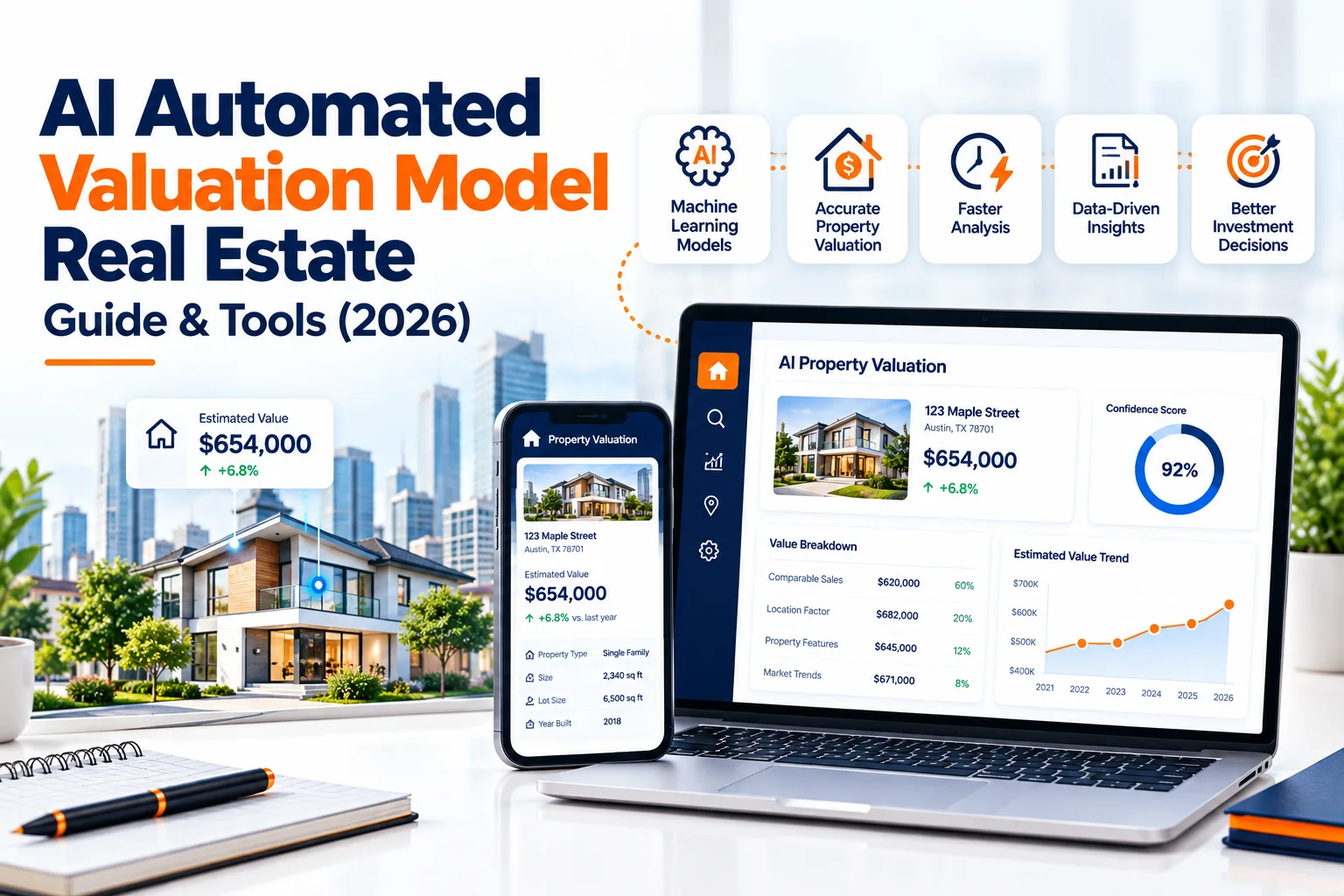
- AI features such as an automated valuation model or document extraction for leases and offering memorandums.
How it connects to your wider strategy
DevSouq Technologies publishes practical guidance on the technology behind these builds. If you are evaluating scope, these resources help.
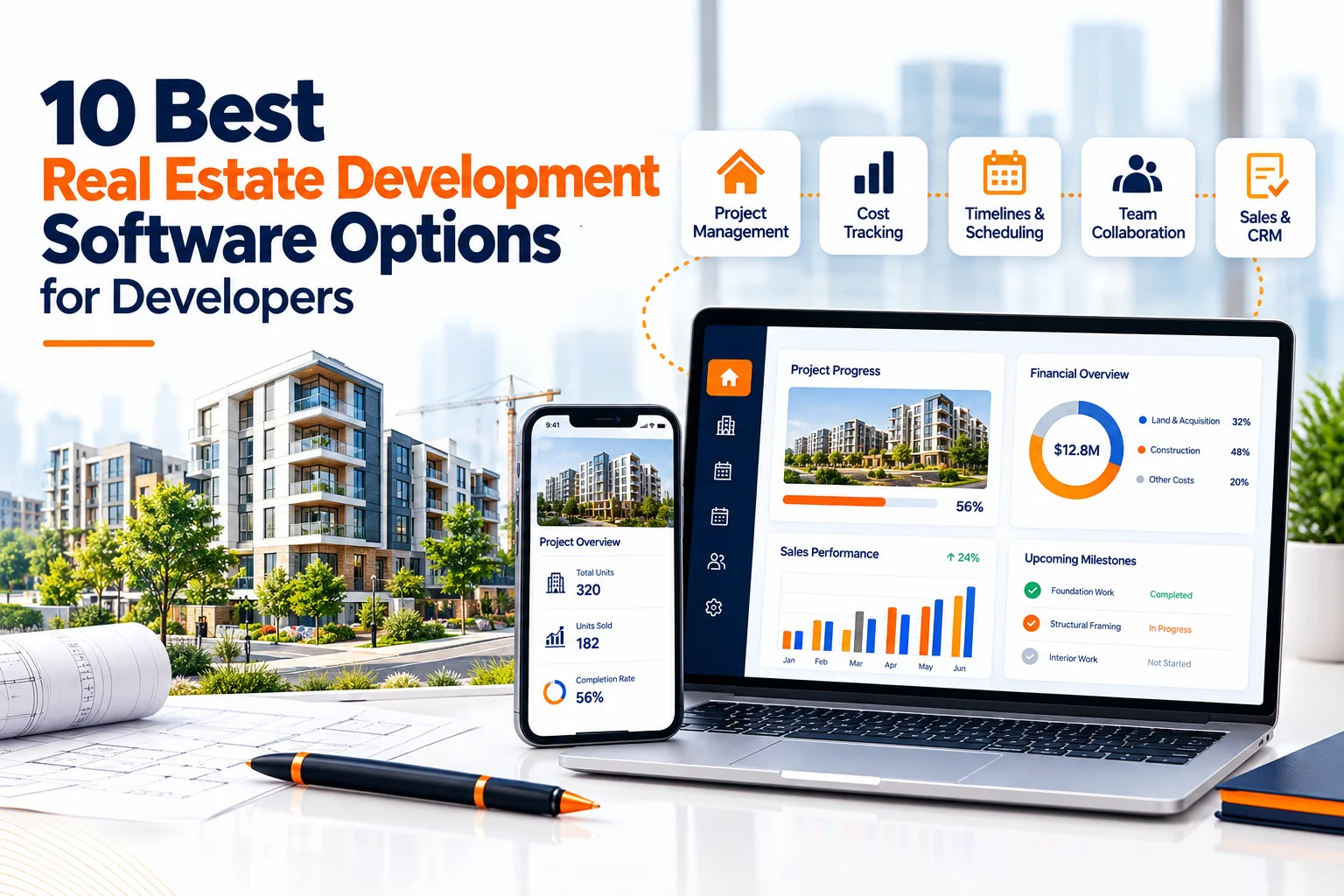
- Real estate development software explains what development focused platforms need to cover.
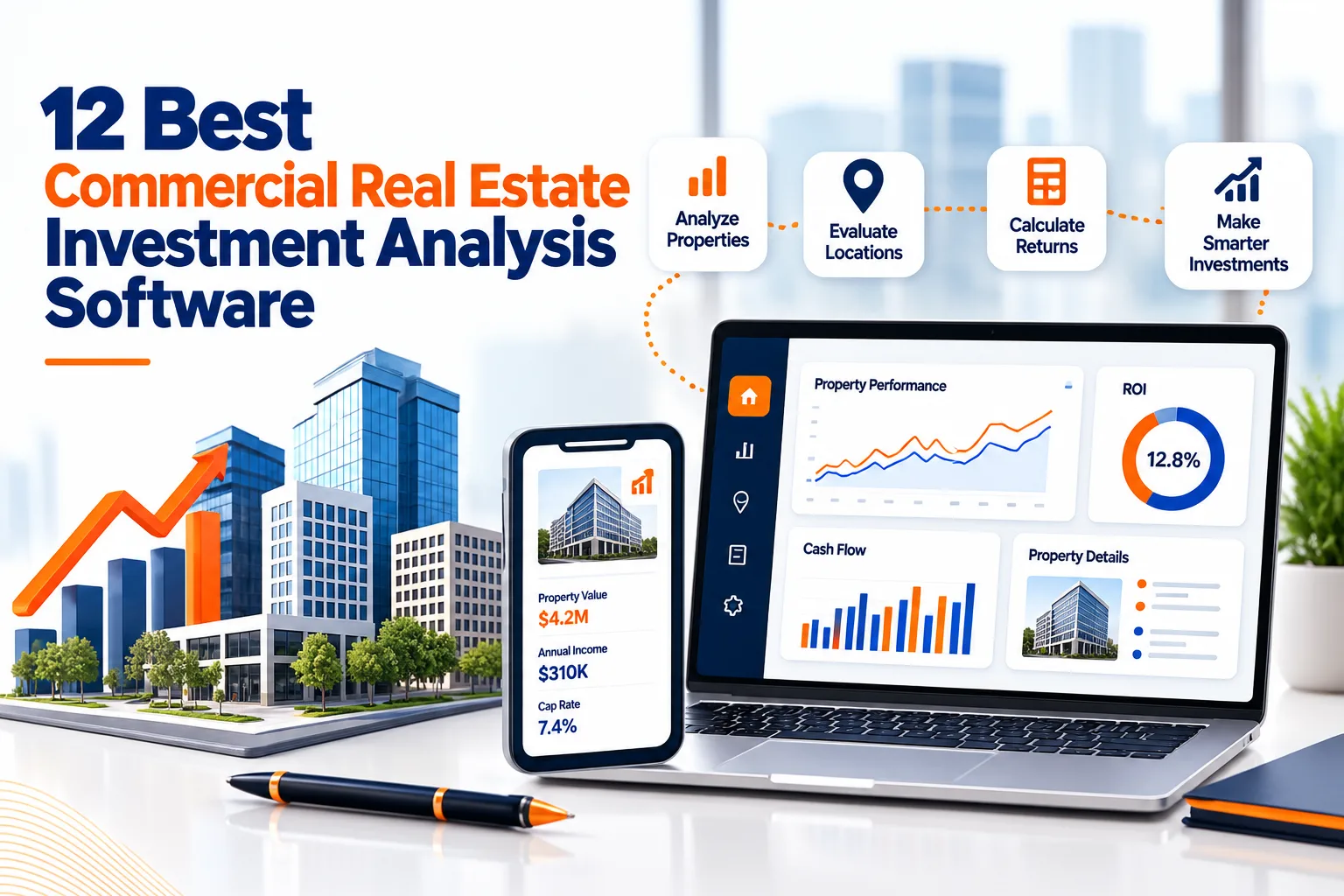
- Commercial real estate investment analysis software covers the modeling side.
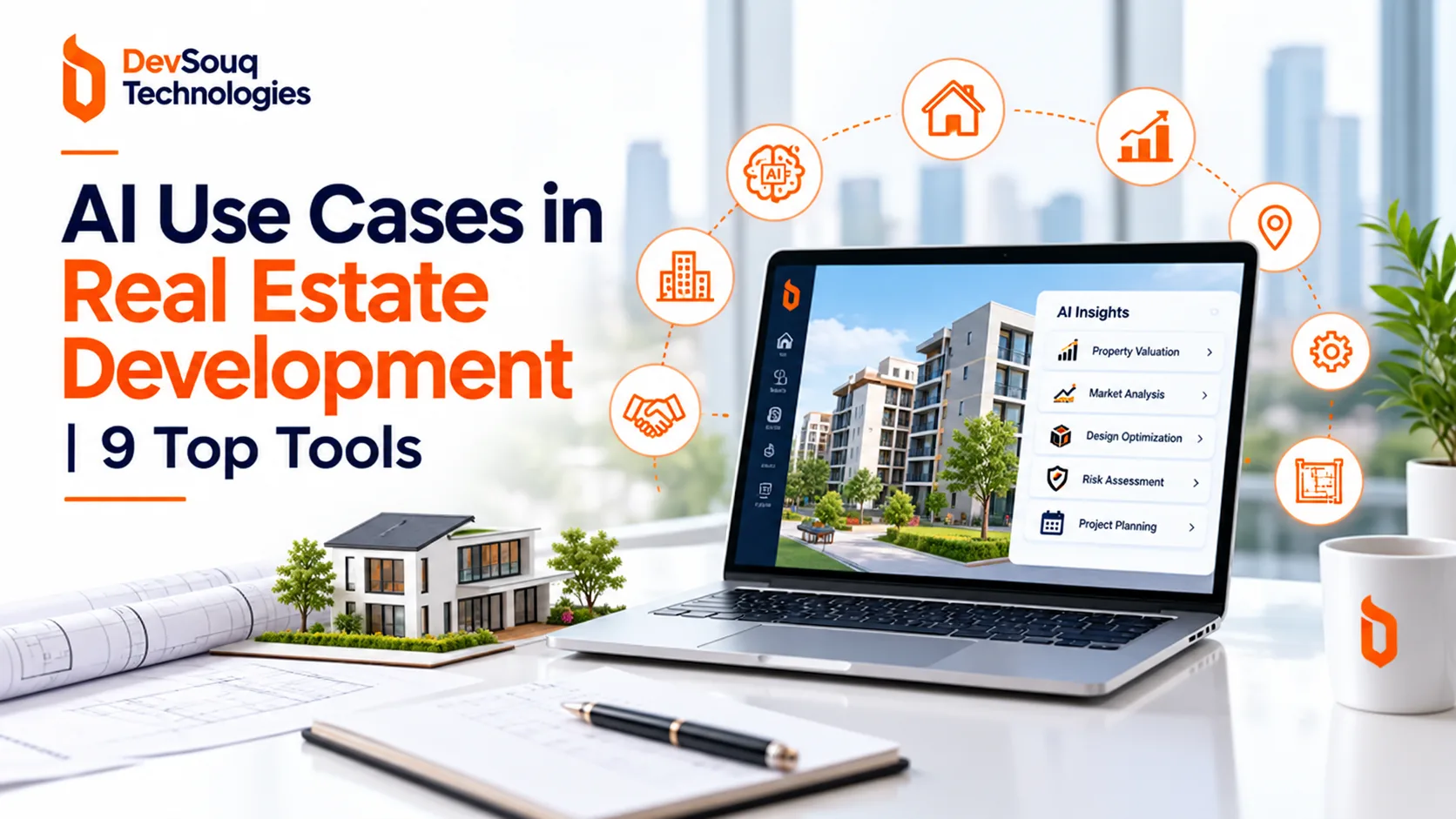
- AI use cases in real estate development shows where automation adds value.
- Real estate technology trends gives context on where the market is heading.
- Financial modelling software is useful if modeling is central to your workflow.
How to start: Begin with a scope review. List the workflows you run today, the tools you pay for, and the manual steps that slow your team. A clear scope lets DevSouq Technologies recommend what to build first, and many firms start with one module such as an investor portal or underwriting tool, then expand. When you are comparing providers, this guide on how to choose a custom software development company lists the questions to ask.
Pricing model: No monthly fee. You agree a build scope, and ownership stays with you.
When buying is the better choice
Buying makes sense when your process is standard, you need to start within weeks, and a vendor already covers your structure. It is also the sensible route for small portfolios where a subscription costs less than a build.
| Factor | Buy a platform | Build custom |
|---|---|---|
| Speed to start | Fast | Slower |
| Recurring fees | Ongoing | No monthly licence fee |
| Workflow fit | Fixed | Tailored |
| Ownership | Vendor controlled | You own it |
| Best for | Standard needs, small teams | Unique workflows, growing portfolios |
2. InvestorPortalPro
InvestorPortalPro streamlines investor relations for real estate sponsors by centralizing document sharing, performance reporting, and LP communications. It eliminates repetitive email exchanges while providing a polished, branded experience.
- Best For: Sponsors and syndicators seeking a custom-branded investor portal.
- Key Features: Investor dashboards, secure document sharing, distribution tracking, and capital raising support.
- Pricing: Custom quote upon request.
- Limitation: Focuses purely on investor management, requiring separate software for underwriting and operations.
3. PoliBit
PoliBit is a digital real estate investment platform designed to automate capital raising and investor management, incorporating modern blockchain-based models.
- Best For: Investment firms exploring tokenized or digital real estate structures.
- Key Features: Digital onboarding, offering management, and automated investor reporting.
- Pricing: Custom quote upon request.
- Limitation: Regulatory and legal complexities around tokenization require strict legal review before implementation.
4. Elevate Solutions RE
Elevate Solutions RE provides real estate sponsors and fund managers with an all-in-one environment for tracking assets, managing investors, and reporting performance as portfolios expand.
- Best For: Growing sponsors needing scalable investor and asset tracking.
- Key Features: Investor management, automated performance reporting, and portfolio analytics.
- Pricing: Custom quote upon request.
- Limitation: Waterfall calculations and fund accounting depth should be verified against complex equity structures.
5. Acquirepad
Acquirepad centralizes property acquisitions by consolidating deal pipelines, underwriting data, and team collaboration into a single collaborative workspace.
- Best For: Acquisition and investment teams managing high-volume deal pipelines.
- Key Features: Pipeline management, deal workflows, underwriting support, and collaborative tools.
- Pricing: Custom quote upon request.
- Limitation: Designed exclusively for deal sourcing and underwriting, not post-acquisition operations or investor management.
6. SyndicationPro
SyndicationPro is a specialized capital-raising and investor management platform tailored for syndicators managing multiple offerings and private equity deals.
- Best For: Real estate syndicators and active deal sponsors.
- Key Features: Dedicated investor portal, targeted CRM, fundraising tools, and distribution tracking.
- Pricing: Custom quote upon request.
- Limitation: Feature set may feel complex for smaller operators, while institutional funds may need external accounting tools.
7. TheAnalyst PRO
TheAnalyst PRO is an analytical suite built for commercial real estate pros to evaluate deals, run demographic analyses, and generate professional marketing reports.
- Best For: CRE analysts, brokers, and commercial investors.
- Key Features: Financial modeling, demographic research, risk analysis, and report generation.
- Pricing: Custom quote upon request.
- Limitation: Purely an evaluation tool; lacks built-in investor relations or property management functionality.
8. FlipperForce
FlipperForce is a project management and financial tracking tool engineered specifically for residential rehabbers and house flippers.
- Best For: Residential flippers, rehabbers, and small-scale investors.
- Key Features: Renovation budget tracking, project timelines, and cost estimation.
- Pricing: Custom quote upon request.
- Limitation: Unsuited for long-term rental portfolios, complex fund structures, or institutional assets.
9. RealData
RealData is an established financial analysis solution designed to project cash flows, returns, and debt structures for commercial and residential income properties.
- Best For: Investors and financial advisors modeling individual property deals.
- Key Features: Multi-year cash flow projections, financing scenarios, and ROI metrics.
- Pricing: Custom quote upon request.
- Limitation: Focused solely on financial analysis rather than ongoing property operations or LP communications.
10. Valuate by REFM
Valuate by REFM provides web-based financial modeling and underwriting tools designed to replace complex spreadsheets with standardized, repeatable risk analysis.
- Best For: Developers, underwriters, and CRE analysts.
- Key Features: Standardized underwriting, scenario modeling, and development feasibility analysis.
- Pricing: Custom quote upon request.
- Limitation: Strictly an analysis engine; does not handle investor reporting, accounting, or property management.
Enterprise names worth knowing
Several large platforms often appear in searches for real estate software companies and are worth shortlisting for bigger portfolios.
- MRI Software: enterprise depth for fund accounting, multi level consolidation, and global portfolios. Its modules also cover property management and billing workflows, so ask about MRI Software billing if lease invoicing matters to you.
- Yardi Investment Suite: integrated investment accounting, property operations, and reporting for larger firms.
- Juniper Square: investor relations, fundraising, and fund administration.
- RealPage Investment Management: investor portals and fund workflows, with a multifamily heritage.
- AppFolio Investment Management: investor accounts, deal workflows, and reporting alongside property operations.
- Dealpath: deal pipeline and collaboration for acquisition and disposition teams.
- ARGUS Enterprise: commercial underwriting and discounted cash flow valuation.
Multifamily and residential considerations
Multifamily and residential portfolios have different needs from commercial office or retail.
- Rent collection and resident portals matter more than complex lease abstraction.
- Unit level reporting drives decisions on turns, renovations, and rent growth.
- Maintenance and work orders affect expenses directly, so operations and accounting should connect.
- Facilities management software becomes relevant when you own larger buildings with building systems, vendors, and recurring service contracts.
- Investor reporting still matters for syndicated deals, so check whether the operations tool feeds your investor portal.
Questions to ask every vendor
- Which workflows does the product cover, and which need another tool?
- How does it handle waterfalls, preferred returns, and catch ups?
- Which systems does it integrate with, and are the APIs open?
- Who owns the data, and how do we export it if we leave?
- What does implementation involve, and how long does data migration take?
- How are security, permissions, and audit logs handled?
- What is the full cost, including setup, per user, per investor, and per entity fees?
- How will pricing change as our portfolio grows?
Build versus buy: custom real estate investment software
Packaged platforms are fast to adopt. They also come with recurring licence fees, fixed workflows, and limits on how much you can change. Custom software reverses those trade offs. You invest in a build, then own a system shaped around your process.
When buying wins:
- Your process is standard and a vendor already supports your fund structure.
- You need to go live within weeks.
- Your portfolio is small enough that a subscription costs less than a build.
When building wins:
- You run an unusual waterfall or reporting structure that packaged tools handle poorly.
- You juggle three or four subscriptions that do not share data.
- Fees rise with every new user, investor, or entity.
Over several years, recurring licences often cost more than a single build, and the gap widens as your portfolio grows.
The middle path: You do not have to pick one side completely. Many firms keep a packaged accounting system of record and build a custom investor portal, underwriting tool, or reporting layer on top. Integrations connect the two, so you replace only the part that holds you back.
A simple test: Add up your software fees over three years, list the manual steps your team repeats every week, and compare that total against a scoped build quote.
Common mistakes when choosing
- Buying for features instead of workflows. A long feature list hides the one job you need done well.
- Ignoring total cost. Per user, per investor, and per entity fees compound as you grow.
- Skipping integration checks. A portfolio wide view only works if data arrives without manual entry.
- Underestimating migration. Clean, structured data matters more than the tool.
- Rolling out to everyone at once. Pilot with a small team first.
- Forgetting exit options. Confirm data export before you sign.
Conclusion
Choosing real estate investment management software comes down to clarity. Before comparing vendors, decide which job costs you the most time or money today. That answer points you to the right category, whether it is fund accounting, investor reporting, deal tracking, or financial modeling.
Your next steps:
- Define your biggest bottleneck and your portfolio size.
- Shortlist two or three platforms from the matching category.
- Run each through the vendor questions, especially integrations, total cost, and data export.
- Pilot with a small team before a full rollout.
Packaged tools suit standard needs and quick starts. Enterprise names such as MRI Software and Yardi suit complex structures. Specialist tools suit narrow jobs like underwriting or flips.
If none of these fit, or monthly fees keep climbing, custom software deserves a serious look. DevSouq Technologies builds cost efficient custom real estate software with no monthly fee, so your costs stay tied to what you build rather than to every new user, property, or investor. A free Scope Clarity Session shows you the real cost, timeline, and risks before you commit, whether you build with DevSouq or not.
The DevSouq Scope Clarity Session
A free, 30-minute session where you leave knowing the real cost, real timeline, and real risks of your project, whether you ever build with us or not.
Book Your Free Scope Clarity Session →FAQ
What is real estate investment management software?
It is a platform that helps owners, syndicators, and investors track assets, automate accounting, manage investors, and report performance from one system instead of scattered spreadsheets.
What is the best real estate investment management software?
It depends on your job. Enterprise firms often shortlist MRI Software or Yardi. Syndicators look at investor portal platforms. Deal teams look at pipeline tools. Custom builds suit unique workflows.
Is it suitable for small investors?
Yes. Many platforms offer scalable plans, and lighter tools exist for landlords and flippers. Choose a tool that matches your portfolio size so you do not pay for unused features.
What integrations should I look for?
Prioritize accounting software, property management systems, banking, document storage, and CRM. Open APIs help you connect new tools later without manual data entry.
How much does it cost?
Pricing ranges from low cost subscriptions to enterprise contracts, often with per user or per investor fees. Custom software replaces recurring licences with a one time build investment.
When should I build custom software?
Build when your workflow is unusual, you want to consolidate several subscriptions, or you want to own the system. Buy when your needs are standard and you must start quickly.